
Why European Cabinets Rarely Go Out of Style
European cabinets have remained relevant for decades because they prioritize proportion, quality, and function over short-lived trends. Here’s why they continue to stand the test of time.
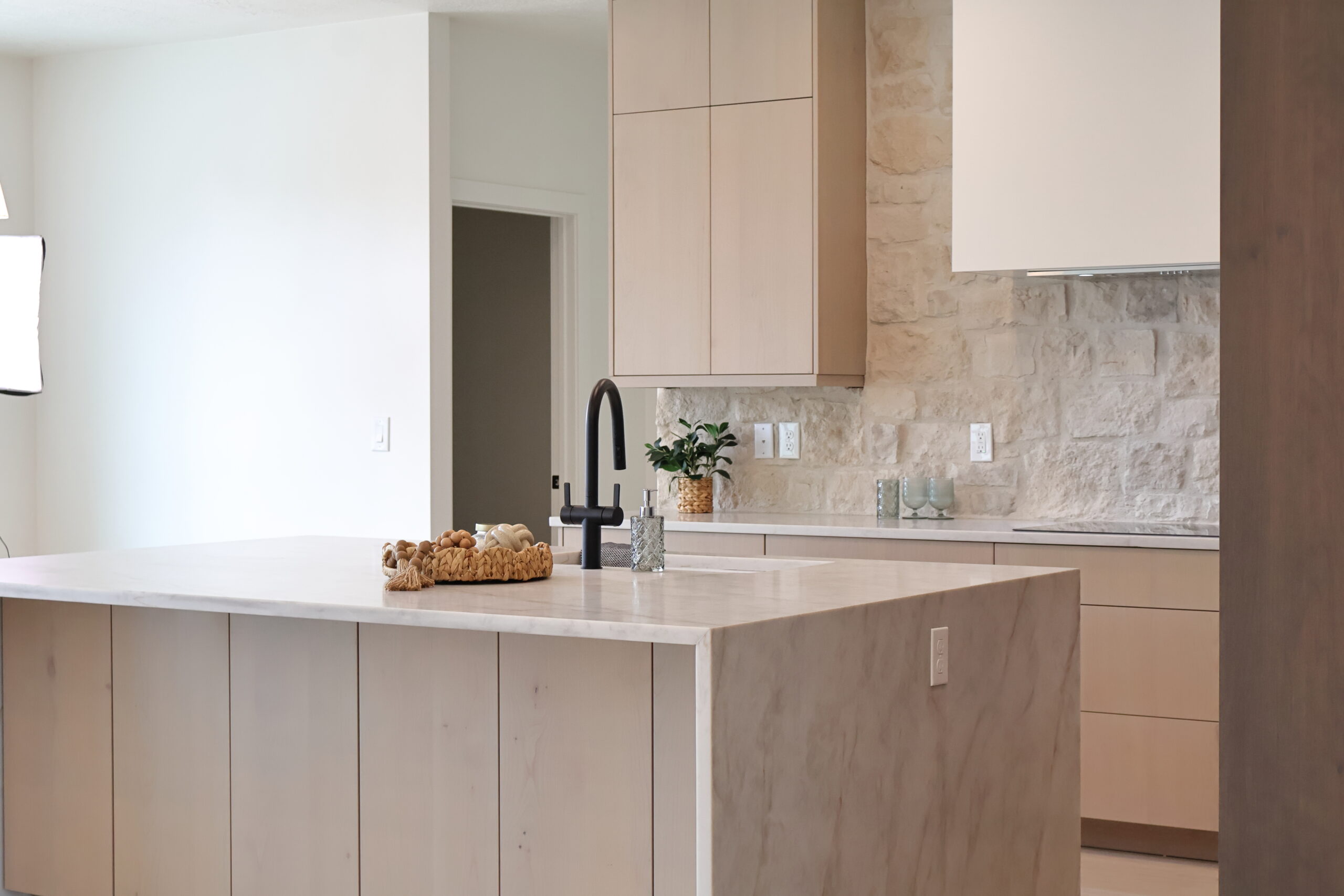
Design trends come and go.
One year, glossy finishes dominate magazines. A few years later, everything shifts toward natural wood, softer colors, or darker tones. Hardware changes. Color palettes evolve. Even the way people use their kitchens continues to change.
Yet one style has remained remarkably consistent through every trend: European cabinets.
The reason isn’t that European kitchens ignore trends. Instead, they are built on principles that stay relevant regardless of what happens to be popular. When design begins with proportion, function, and craftsmanship, it naturally ages better.
That is why so many architects, interior designers, and homeowners continue to choose European cabinetry decade after decade.
European Cabinets Follow Principles, Not Trends
One of the biggest differences between trend-driven design and timeless design is the starting point.
Trend-driven spaces often begin with what is fashionable today.
European cabinetry begins with how the space should function for years to come.
Before selecting colors or finishes, designers typically consider questions such as:
- How will the kitchen be used every day?
- Where should storage be located?
- How can movement through the room feel effortless?
- Which materials will perform well over time?
Once those decisions are made, the finishes support the design rather than define it.
As a result, European kitchens feel intentional instead of temporary.
Simplicity Is Harder Than It Looks
Many people describe European kitchens as “simple.”
In reality, simplicity requires more planning than complexity.
Clean lines leave very little room for error. Door reveals must remain consistent. Grain patterns should flow naturally across cabinet fronts. Materials need to complement one another instead of competing for attention.
Every detail becomes more noticeable because there are fewer decorative elements to distract the eye.
For that reason, European cabinets rely on careful engineering and precise manufacturing—not excessive ornamentation.
Quality Materials Age Better
A timeless kitchen depends on more than its layout.
Materials also play an important role.
Natural wood veneers develop character over time. Matte engineered surfaces reduce reflections and fingerprints. Premium hardware continues to perform smoothly after years of daily use.
Rather than choosing materials simply because they are fashionable, European cabinetry focuses on finishes that look natural and feel appropriate in the home.
This approach creates interiors that mature gracefully instead of appearing outdated after only a few years.
Frameless Construction Supports Timeless Design
One reason European cabinetry feels so refined is its construction.
Most European cabinets use frameless cabinet construction instead of the traditional face-frame method commonly found in North America.
Frameless cabinets create:
- cleaner visual lines
- more accessible storage
- consistent spacing
- better alignment between doors and drawers
- greater flexibility for modern organization systems
Although homeowners may not immediately notice these details, they contribute significantly to the overall experience of the space.
The kitchen feels calmer because every element works together.
Trends Change. Function Doesn’t.
Think about how kitchens have evolved over the past twenty years.
Appliance technology has improved.
Storage systems have become smarter.
Lighting has become more integrated.
Materials have become more durable.
However, the need for an efficient, comfortable kitchen has never changed.
European kitchen design recognizes this.
Instead of chasing dramatic visual trends, it focuses on making everyday life easier through thoughtful planning and intelligent storage.
Good design rarely becomes obsolete.
European Kitchens Feel Calm for a Reason
Many homeowners struggle to explain why they are drawn to European kitchens.
Often, they simply say the space feels “calm.”
That feeling is intentional.
Consistent materials, balanced proportions, integrated appliances, and uncluttered surfaces reduce visual noise. Every cabinet has a purpose, and every detail contributes to the overall composition.
Instead of demanding attention, the cabinetry creates a quiet backdrop for daily life.
Ironically, that restraint often makes the space feel more luxurious.
Fully Custom Design Keeps the Kitchen Relevant
Every home is different.
Every family uses its kitchen differently.
That is why fully custom cabinetry plays such an important role in timeless design.
Rather than forcing homeowners to adapt to predetermined cabinet sizes or limited product lines, custom manufacturing allows the kitchen to respond directly to the architecture and the people who live there.
Storage can be personalized.
Materials can reflect the home’s character.
Door styles can balance traditional and modern influences.
When cabinetry is designed specifically for the project, it becomes much less dependent on passing design trends.
Timeless Doesn’t Mean Traditional
Some people assume “timeless” means traditional.
Others think it means minimalist.
In reality, timeless design can take many forms.
A kitchen with slim Shaker doors can feel just as timeless as one with sleek slab fronts. Warm oak veneer can feel equally enduring alongside matte engineered surfaces.
What matters is not whether the kitchen follows one style or another.
What matters is whether every decision feels intentional.
European cabinetry has embraced this philosophy for decades.
Instead of asking, “What’s popular right now?” it asks, “Will this still feel right years from now?”
That simple shift changes everything.
Great Kitchens Are Built to Last—Visually and Functionally
The best kitchens do more than survive changing trends.
They continue to support everyday life while remaining visually relevant for years to come.
That is why European cabinets have earned their reputation around the world.
They combine thoughtful design, frameless construction, premium materials, and practical functionality into spaces that feel balanced rather than busy.
Styles will continue to evolve.
New materials will appear.
Technology will improve.
However, kitchens built on strong design principles rarely lose their appeal.
That is the lasting value of European cabinetry.
 >
> >
> >
>