
Frameless Cabinets – A Complete Guide to European-Style Cabinetry
Frameless cabinets offer a cleaner look and better access compared to traditional framed construction. Learn how European-style cabinetry works and why it’s widely used in modern homes.
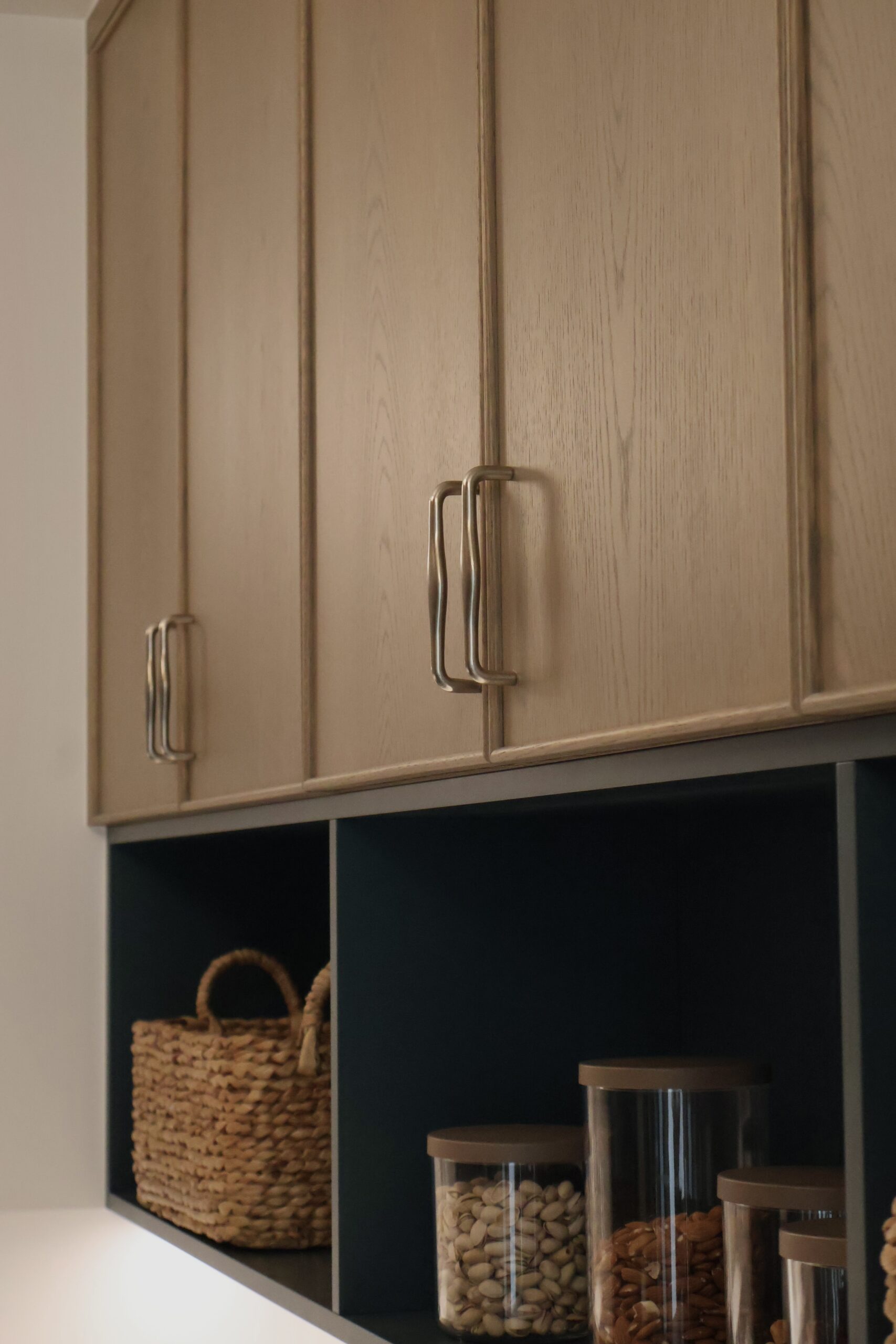
Frameless Cabinets – A Complete Guide to European-Style Cabinetry
Frameless cabinets have become a defining feature in modern cabinetry, yet the term is often misunderstood.
At first glance, they appear simpler and more minimal. In reality, the difference lies in how they are built and how they function over time.
Frameless cabinets — commonly referred to as European-style cabinetry — remove the front face frame found in traditional construction. Doors and drawers attach directly to the cabinet box, creating a cleaner structure and full access to the interior.
This approach is not new. It has been used in Europe for decades, where efficiency, precision, and thoughtful use of space have always been priorities.
What Makes Frameless Cabinets Different
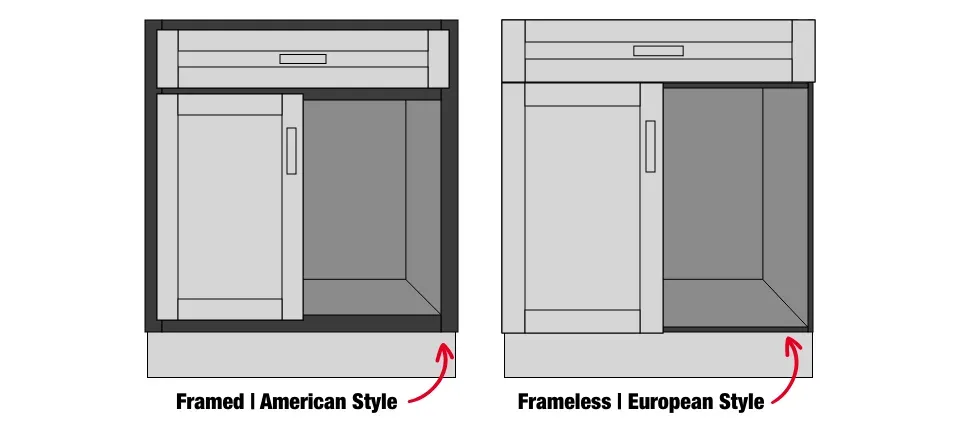
In traditional framed cabinets, a face frame is attached to the front of the cabinet box. This frame supports the doors and creates a visible border around each opening.
Frameless cabinets eliminate that layer entirely.
As a result, the interior opening becomes fully accessible. Nothing interrupts the space, and storage can be used more efficiently.
This difference may seem subtle at first, but it becomes noticeable in everyday use — especially in kitchens where access and organization matter.
Why Europe Uses Frameless Cabinetry
European cabinetry developed around a different set of priorities than traditional American construction.
Homes often required more efficient use of space, which led to systems designed with precision and consistency. At the same time, advancements in engineered materials and hardware made it possible to build cabinets without a face frame while maintaining strength and durability.
Over time, this method became the standard across much of Europe.
Today, the same principles are applied in high-end custom cabinetry, even when projects are built locally.
A Clean, Balanced Appearance
Frameless cabinets naturally create a more consistent visual layout.
Because doors and drawers sit directly on the cabinet box, spacing between elements is tighter and more controlled. This results in clean lines that align well across larger cabinet runs.
Even when using styles like slim shaker doors, frameless construction keeps the overall look balanced. It allows the design to feel modern without becoming overly minimal.
Precision in Construction and Installation
Without a face frame, there is less room for adjustment.
That means every step — from manufacturing to installation — needs to be precise. Cabinet boxes must be square, hardware must be positioned accurately, and alignment must be consistent across the entire layout.
When executed correctly, the result feels seamless. Lines stay clean, and everything functions as intended.
Materials Used in Frameless Cabinets
Material selection plays an important role in how frameless cabinets perform over time.
For cabinet interiors and structural components, two common options are used:
Plywood
Plywood offers strong structural integrity and long-term durability. It performs well under daily use and is often selected for projects where strength is a priority.
High-Grade TFL (Thermally Fused Laminate)
Modern TFL panels provide a highly consistent surface and are easy to maintain. When using high-quality, 4-side banded panels, the edges are sealed and durable.
TFL can be a more efficient option while still delivering reliable performance when properly specified.
Both materials can be used successfully. The difference comes down to quality, fabrication, and how the project is designed.
Frameless vs Framed Cabinets
Both frameless and framed cabinets can be built well. However, they differ in structure, appearance, and how they function in daily use.
Framed cabinets include a face frame on the front of the box. This adds a traditional look and allows for more flexibility during installation. However, it slightly reduces the usable opening inside the cabinet.
Frameless cabinets remove that frame, which increases access and creates a more streamlined appearance. The tradeoff is that they require greater precision during manufacturing and installation.
In terms of design, framed cabinets are often associated with more traditional styles, while frameless cabinets are commonly used in modern and transitional interiors.
From a functional standpoint, frameless construction typically allows for better use of space and cleaner alignment across cabinet runs.
Why Frameless Cabinets Are Widely Used Today
Frameless cabinets are not simply a design trend. They reflect a shift toward efficiency, precision, and intentional design.
They allow cabinetry to feel more integrated into the space rather than applied to it. Storage becomes easier to access, and layouts feel more organized.
At the same time, they adapt well to different styles — from modern kitchens to more classic interiors with subtle detailing.
Final Thoughts
Frameless cabinets may appear simple, but that simplicity is achieved through careful design and accurate execution.
By removing unnecessary elements, they focus on what matters most: function, proportion, and material quality.
When done correctly, the result is cabinetry that feels clean, efficient, and built to last.
 >
> >
> >
>