
Why Cabinet Designers Matter
Cabinet designers do far more than choose door styles. They solve technical challenges, coordinate production, and ensure every detail is ready for manufacturing.
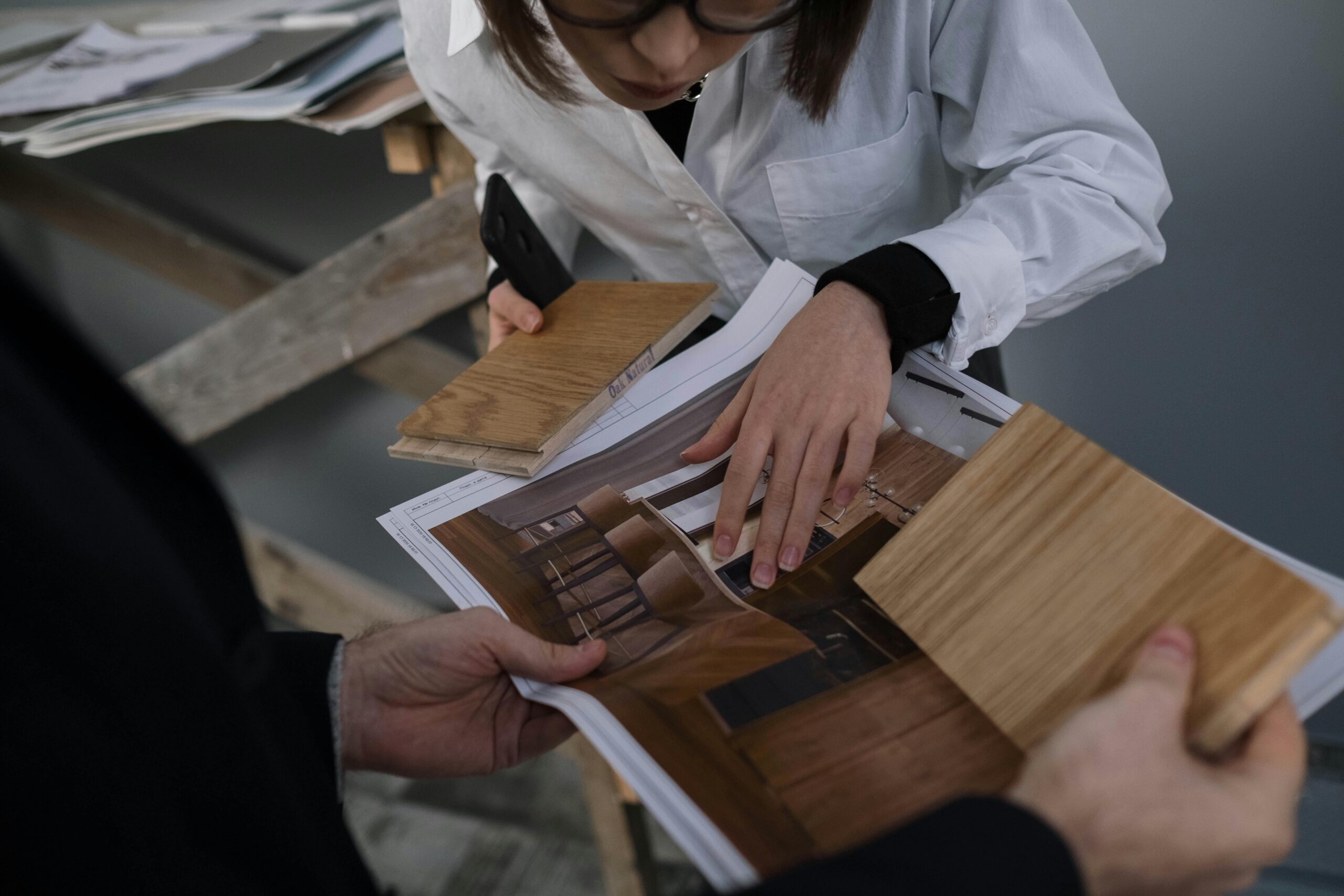
A beautiful kitchen doesn’t happen because someone chooses the right cabinet color.
It happens because hundreds of small decisions come together with precision.
That is where a cabinet designer becomes essential.
Many people assume cabinet designers simply draw cabinets or recommend finishes. In reality, their work goes much deeper. They bridge the gap between creative design and manufacturing, ensuring that every cabinet can be built, installed, and enjoyed for years to come.
For projects where quality and precision matter, that expertise makes a measurable difference.
Cabinet Design Is a Specialized Discipline
Custom cabinetry combines design, engineering, manufacturing, and craftsmanship.
While the finished product may look simple, every cabinet begins with a long series of technical decisions.
A cabinet designer considers questions such as:
- How should the cabinetry align with the architecture?
- Will every door and drawer open without interference?
- Where should appliance clearances be adjusted?
- How will grain direction flow across multiple cabinet fronts?
- Which hardware best supports the intended use?
- Can specialty storage fit without affecting surrounding cabinetry?
These decisions happen long before manufacturing begins.
Getting them right prevents problems later in the project.
Details Matter More Than Most People Realize
Luxury cabinetry is defined by details.
A cabinet designer spends time refining the elements that many homeowners never notice individually—but always experience together.
That includes:
- precise measurements
- reveal consistency
- door and drawer alignment
- material selection
- veneer grain matching
- stain development
- edge details
- hardware placement
- storage planning
- installation tolerances
Each decision contributes to a finished space that feels balanced and intentional.
When dozens of these details work together, the cabinetry appears effortless.
Turning Design Into Reality
Every custom project eventually reaches a point where ideas must become something that can actually be manufactured.
That transition requires careful coordination.
Cabinet designers work directly with production teams to verify dimensions, construction methods, hardware requirements, and manufacturing details before the first panel is cut.
Because the design team understands how the cabinets will be built, potential issues can often be resolved during planning instead of during installation.
That creates a smoother experience for everyone involved.
A Valuable Partner for Interior Designers
Interior designers create extraordinary homes by balancing architecture, furnishings, lighting, materials, and the overall experience of a space.
Cabinet designers contribute a different type of expertise.
Instead of replacing the interior designer’s vision, they help bring it to life by developing the technical cabinetry solutions needed to support it.
This collaboration allows interior designers to stay focused on the broader design while cabinet designers manage the construction details, manufacturing requirements, and cabinetry-specific decisions.
The result is a stronger project because each professional contributes specialized knowledge.
European Cabinetry Demands Precision
European cabinetry is known for clean lines and minimal visual interruption.
Ironically, that simplicity increases the level of precision required.
Frameless construction leaves little room for inconsistency. Door reveals must remain uniform. Materials need to align naturally. Hardware must integrate seamlessly.
Because there are fewer decorative elements, every measurement becomes more important.
That is one reason experienced cabinet designers play such an important role in high-end European cabinetry.
Beyond Choosing a Door Style
A cabinet designer helps determine much more than appearance.
They consider how the space will function every day.
Storage systems are planned around the homeowner’s routines.
Specialty hardware is selected for convenience and longevity.
Materials are matched to the environment where they will be used.
Every decision supports both aesthetics and performance.
This level of planning transforms cabinetry from a collection of boxes into a system designed specifically for the people who live with it.
Why Fully Custom Projects Benefit the Most
The more customized a project becomes, the more important detailed cabinet design becomes.
Unique layouts.
Integrated appliances.
Custom stains.
Specialty hardware.
Pocket door systems.
Ceiling-height cabinetry.
Each feature introduces new variables that require careful planning.
Rather than adapting the homeowner’s vision to fit standard cabinet sizes, a cabinet designer develops cabinetry that fits the architecture and supports the intended lifestyle.
That flexibility is one of the defining advantages of fully custom cabinetry.
Expertise Creates Better Results
The best custom projects rarely depend on one person doing everything.
They succeed because experienced professionals contribute their individual expertise.
Interior designers shape the overall vision.
Builders coordinate construction.
Architects develop the structure.
Cabinet designers focus deeply on one of the home’s most complex and visible elements.
When every specialist works together, the finished space reflects far more than good design.
It reflects thoughtful planning, careful collaboration, and craftsmanship carried through to the smallest detail.
That is why cabinet designers matter.
 >
> >
> >
>