
How to Choose Hardware for Different Cabinet Styles
Choosing cabinet hardware is about more than appearance. Learn how pulls, knobs, and integrated handles work with European, flat panel, veneer, and Shaker cabinets.
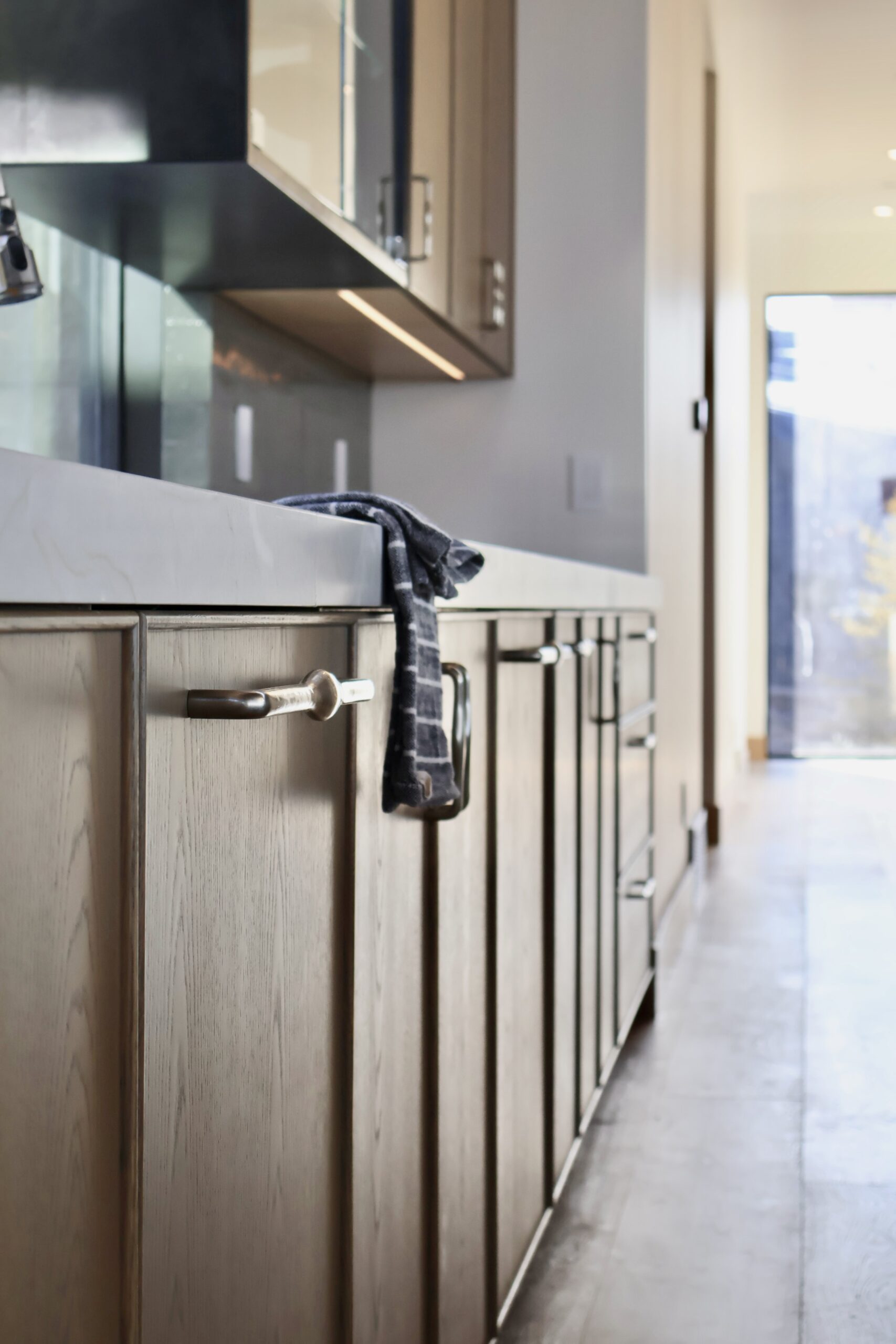
Cabinet hardware can completely change the way a kitchen or built-in space feels. The right handle can make a cabinet style look more modern, more traditional, warmer, or more refined. The wrong choice can make an otherwise well-designed space feel disconnected.
That is why choosing cabinet hardware styles should happen alongside the cabinet design, not as an afterthought.
The best hardware works with the door profile, material, proportions, and overall design of the room. In European cabinetry, this is especially important because clean lines and simple surfaces leave little room for unnecessary visual details.
Here is a practical guide to choosing hardware for some of the most common cabinet styles.
Flat Panel Cabinets
Flat panel cabinets are one of the most versatile cabinet styles available. They have a clean, uninterrupted front with no raised or recessed detailing.
They are also common in modern European cabinetry, especially when paired with frameless construction.
Because the door itself is simple, the hardware can take several different directions.
Integrated Handles
Integrated handles are one of the most natural choices for European-style flat panel cabinets.
Gola profiles, recessed handles, and other integrated systems keep the cabinet front visually clean while still providing an easy way to open the door or drawer.
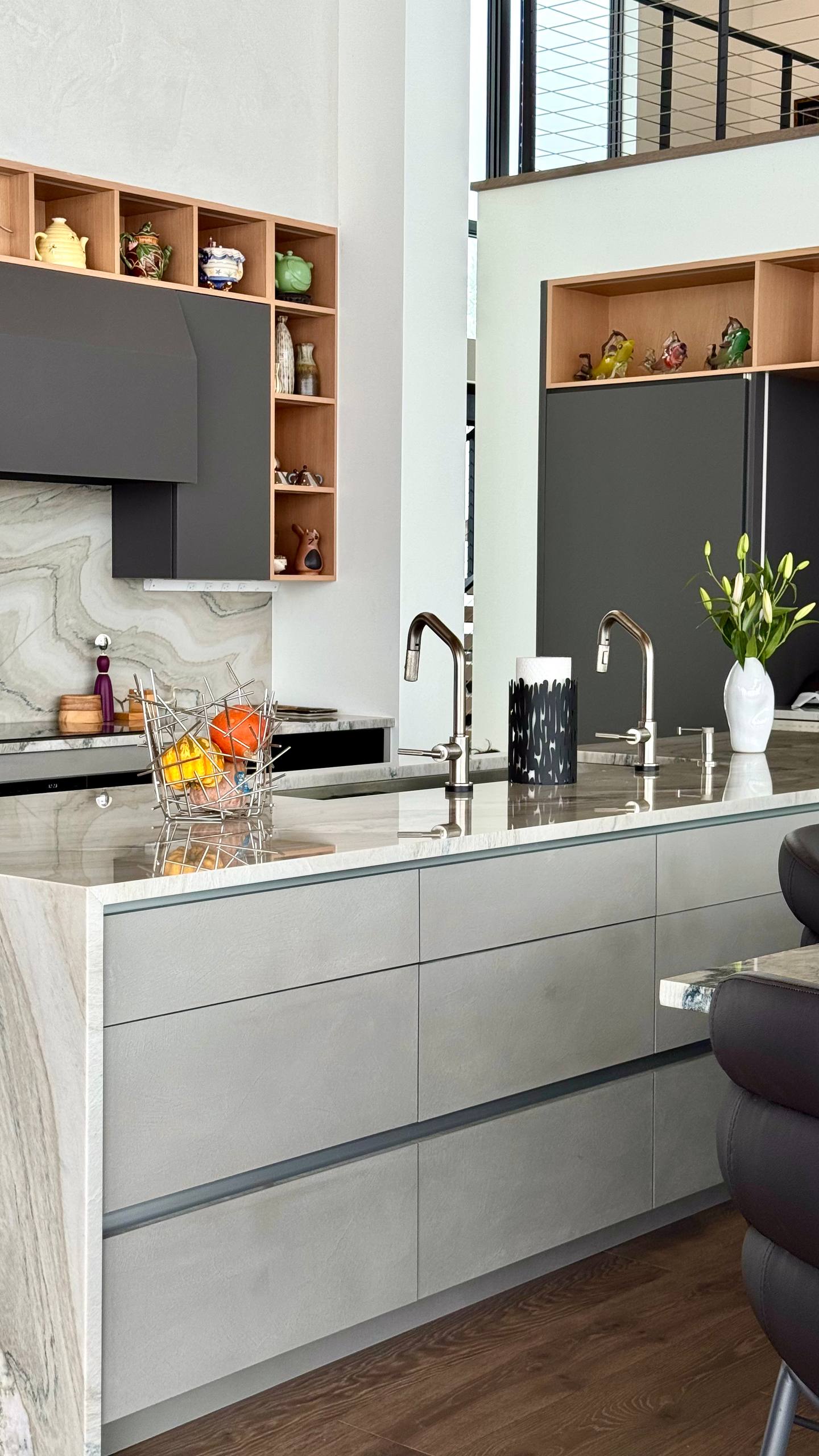
This approach works particularly well when the goal is a quiet, architectural look.
The handle becomes part of the cabinet instead of looking like something added afterward.
Minimal Pulls
Small or simple pulls can also work well with flat panels.
This option introduces a small amount of visual detail without taking away from the clean surface of the cabinet.
It can be especially useful when the kitchen needs a little more contrast or when the homeowner wants a modern look without using an integrated handle system.
Statement Hardware
Flat panels can also support larger or more decorative pulls.
However, this choice works best when the hardware is intentional. A strong pull can become an important design feature, especially when the cabinetry itself has a quiet finish.
The key is balance.
If the cabinet surface is already visually strong, simpler hardware often creates a more refined result.
Wood Veneer Flat Panels
Wood veneer flat panels bring more visual movement to a cabinet because the grain becomes part of the design.
For this reason, hardware should usually support the wood rather than compete with it.
Simple Pulls
Long, slim pulls can work particularly well with wood veneer.
They reinforce the clean geometry of a flat panel while allowing the grain to remain the main visual feature.
This is a common approach in European kitchens where natural materials are allowed to provide most of the character.
Integrated Wood Handles
For a more seamless look, an integrated wood handle can be designed into the cabinet itself.
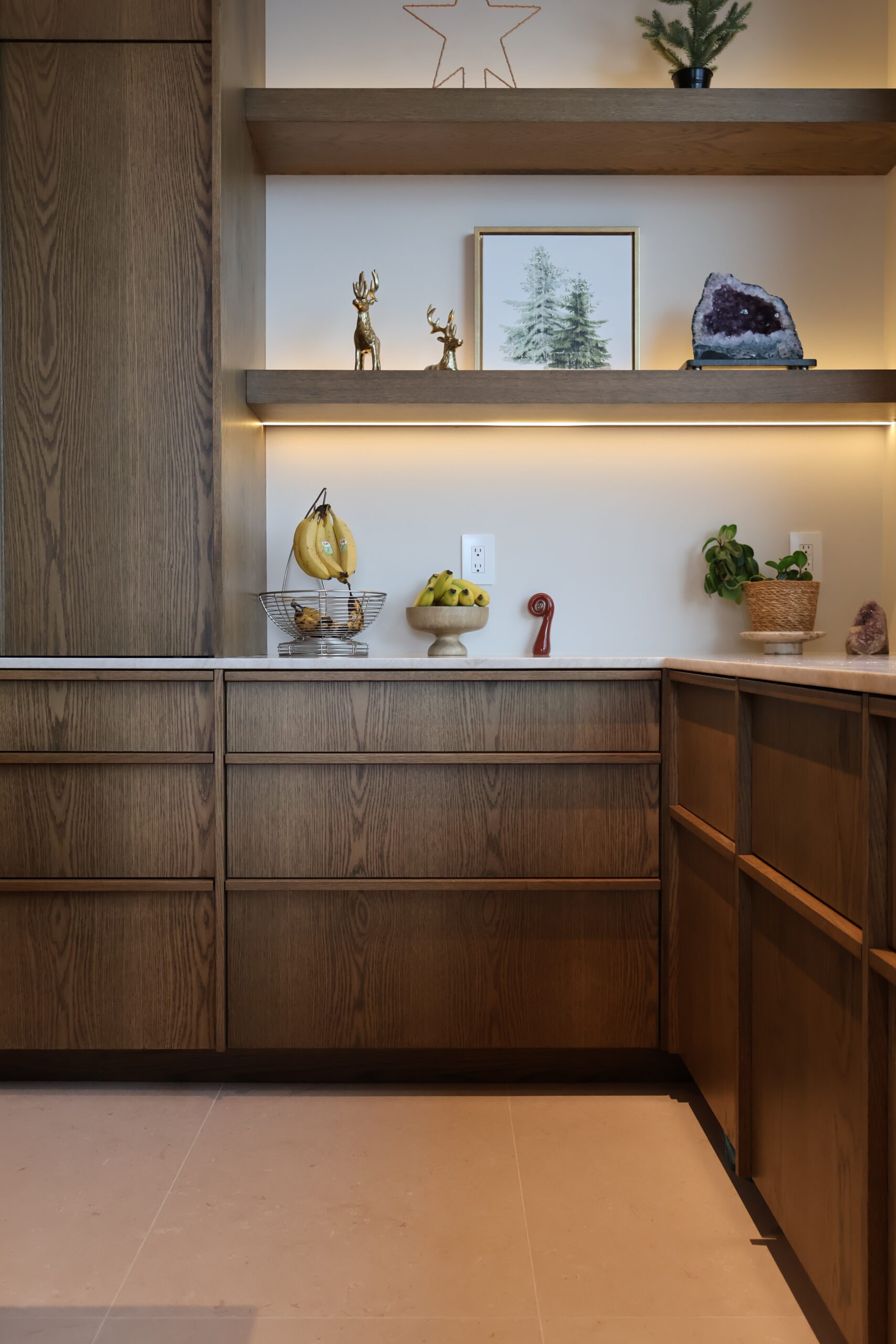
This can create a particularly cohesive result because the handle becomes part of the same material as the door.
In a fully custom project, the handle can be designed around the cabinet proportions instead of selecting a standard piece and adapting the cabinet around it.
Minimal Metal Hardware
Metal pulls can also create a useful contrast against natural wood.
A dark or muted metal can add definition, while a lighter finish can keep the overall appearance softer.
The right choice depends on the wood species, stain, countertop, fixtures, and other finishes throughout the room.
Shaker Cabinets
Shaker cabinets have more visual detail than flat panels because of their frame and recessed center panel.
They can move in several directions, from traditional to distinctly modern.
That makes hardware selection particularly important.
Traditional Pulls and Knobs
Classic knobs and pulls naturally complement traditional Shaker cabinetry.
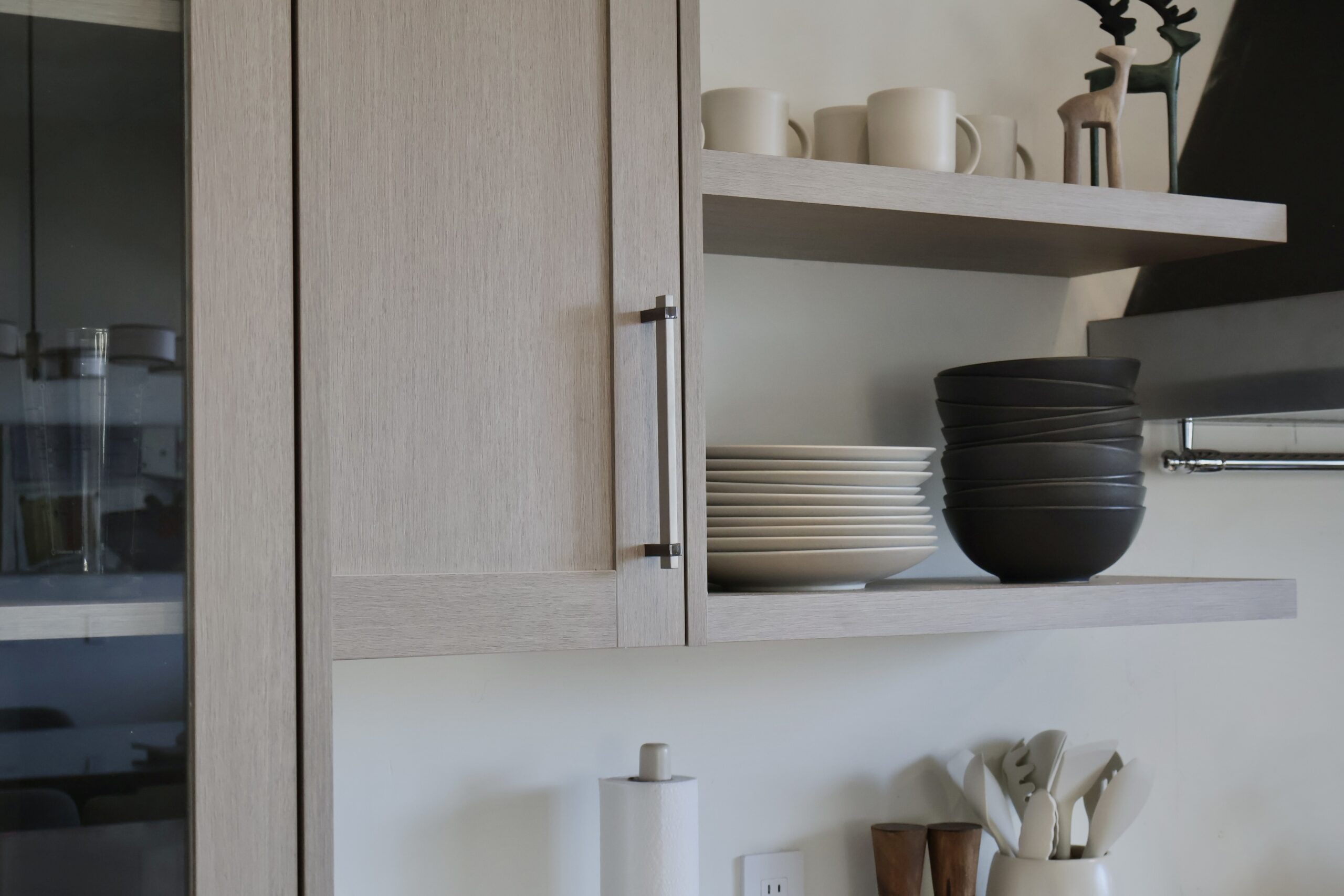
This combination works well when the goal is a familiar, timeless kitchen with more visible hardware.
Slim Pulls
A slim pull can move Shaker cabinetry toward a more contemporary look.
This is especially effective with narrow Shaker profiles, such as slim Shaker or other modified versions of the traditional style.
The result can feel modern without losing the character of the Shaker door.
Mixed Hardware
Some projects use knobs on doors and pulls on drawers.
This can work well when the hardware is selected as one collection and the proportions remain consistent.
The goal is not to make every cabinet identical. Instead, the hardware should feel like one visual system.
Slim Shaker and Modern Shaker
Slim Shaker cabinetry is a good example of how traditional cabinet styles can evolve.
The basic Shaker idea remains, but the narrower frame creates a cleaner and more modern appearance.
Because of that, slim pulls, small knobs, or understated integrated hardware can all work well.
For homeowners who like both traditional and European design, this can be an effective middle ground.
The cabinet retains some of the warmth and familiarity of Shaker design while adopting the cleaner proportions associated with modern European cabinetry.
Phantom or Ghost Shaker
Phantom Shaker, sometimes called Ghost Shaker, takes the same idea even further.
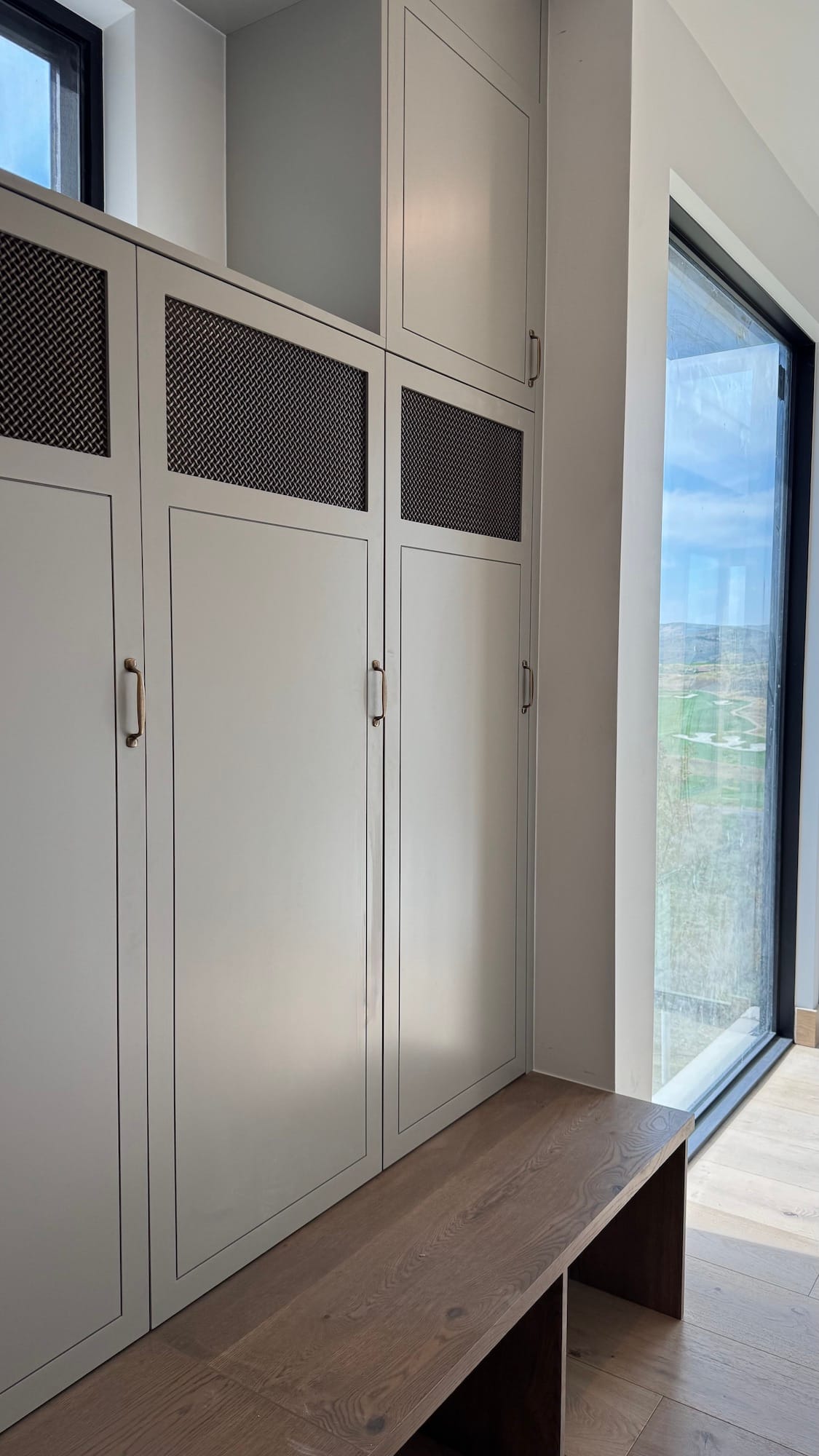
The profile is subtle, so the cabinet can read almost like a flat panel from a distance.
Because the door detail is restrained, hardware has a strong influence on the final look.
Minimal pulls can reinforce the modern side of the design.
More traditional hardware can bring out the Shaker character.
This is one of the styles where hardware can help determine which direction the overall design takes.
European Cabinets and Integrated Hardware
Integrated hardware is closely associated with European cabinet design, but it is important to understand that European cabinetry does not require one specific handle style.
European design is more about the overall approach.
Clean proportions, efficient storage, quality materials, frameless construction, and thoughtful details all work together.
Gola handles and other integrated systems are popular because they support that philosophy.
They can create continuous horizontal or vertical lines while keeping the cabinet fronts visually simple.
For a modern European kitchen, integrated hardware can be one of the most effective ways to maintain a clean architectural appearance.
Hardware Should Also Be Chosen for Function
Appearance is only half of the decision.
Cabinet hardware needs to work comfortably every day.
The size and shape of a pull affect how easily a drawer can be opened. Integrated handles need enough clearance for comfortable use. Specialty storage may require specific hardware to support its movement and weight.
The same principle applies to the hardware behind the cabinet doors.
Drawer runners, hinges, lift systems, pull-outs, and specialty storage mechanisms all affect how the cabinetry performs.
At Euromax, we use Blum hardware throughout our cabinetry because the hardware is an important part of the cabinet system, not simply an accessory.
The Cabinet Material Matters Too
Hardware should also relate to the material.
A warm wood veneer may look best with hardware that allows the grain to remain the focus.
A soft-touch matte surface can support a more minimal handle or provide a strong background for contrasting hardware.
A painted Shaker cabinet can accommodate more traditional hardware, while a modern finish may benefit from a simpler pull.
There is no single correct combination.
The right answer depends on the relationship between all the materials in the room.
Should Cabinet Hardware Match Everything?
Not necessarily.
Cabinet hardware does not have to match every faucet, light fixture, or piece of metal in the room.
Instead, the finishes should work together.
A kitchen can successfully combine different materials when there is a clear reason behind the choices.
The same idea applies to cabinet styles.
A home does not need to use the exact same hardware on every cabinet. A pantry, kitchen island, bar, or built-in can have different needs.
However, those differences should feel intentional.
The Best Hardware Is Part of the Design
Good cabinet hardware does more than provide something to grab.
It contributes to the proportions, rhythm, and character of the cabinetry.
Flat panels, hardware can add definition or remain almost invisible.
With wood veneer, it can support the natural material.
When using Shaker cabinets, it can move the design toward traditional or modern.
With European cabinetry, integrated hardware can help create the clean, continuous appearance that makes the style so recognizable.
That is why cabinet hardware styles should be considered early in the design process.
When the cabinet door, material, hardware, and function are planned together, the result feels natural.
Nothing looks added on.
Nothing feels out of place.
And the finished cabinetry works as one complete design.
There Is No Single “Best” Hardware
The best hardware depends on the cabinet style, material, room, and how the space will be used.
A Gola system may be ideal for one European kitchen.
A long pull may be the better choice for another.
A slim Shaker kitchen might benefit from simple knobs, while a more traditional Shaker design may call for classic hardware.
That flexibility is one of the advantages of custom cabinetry.
Instead of starting with a fixed cabinet line and choosing from a limited set of options, the cabinetry can be designed around the space and the desired result.
Hardware becomes part of that design process from the beginning.
The goal is simple: make every detail feel like it belongs.
 >
> >
> >
>