
When Shaker Meets European Design: Why You Don’t Have to Choose
For years, homeowners felt they had to choose between traditional Shaker cabinets and modern European cabinetry. One style appeared warm and familiar. The other felt clean, minimal, and contemporary. Today, that choice no longer exists. Some of the most beautiful homes combine elements of both. Traditional craftsmanship now works alongside modern European design principles to … Continued
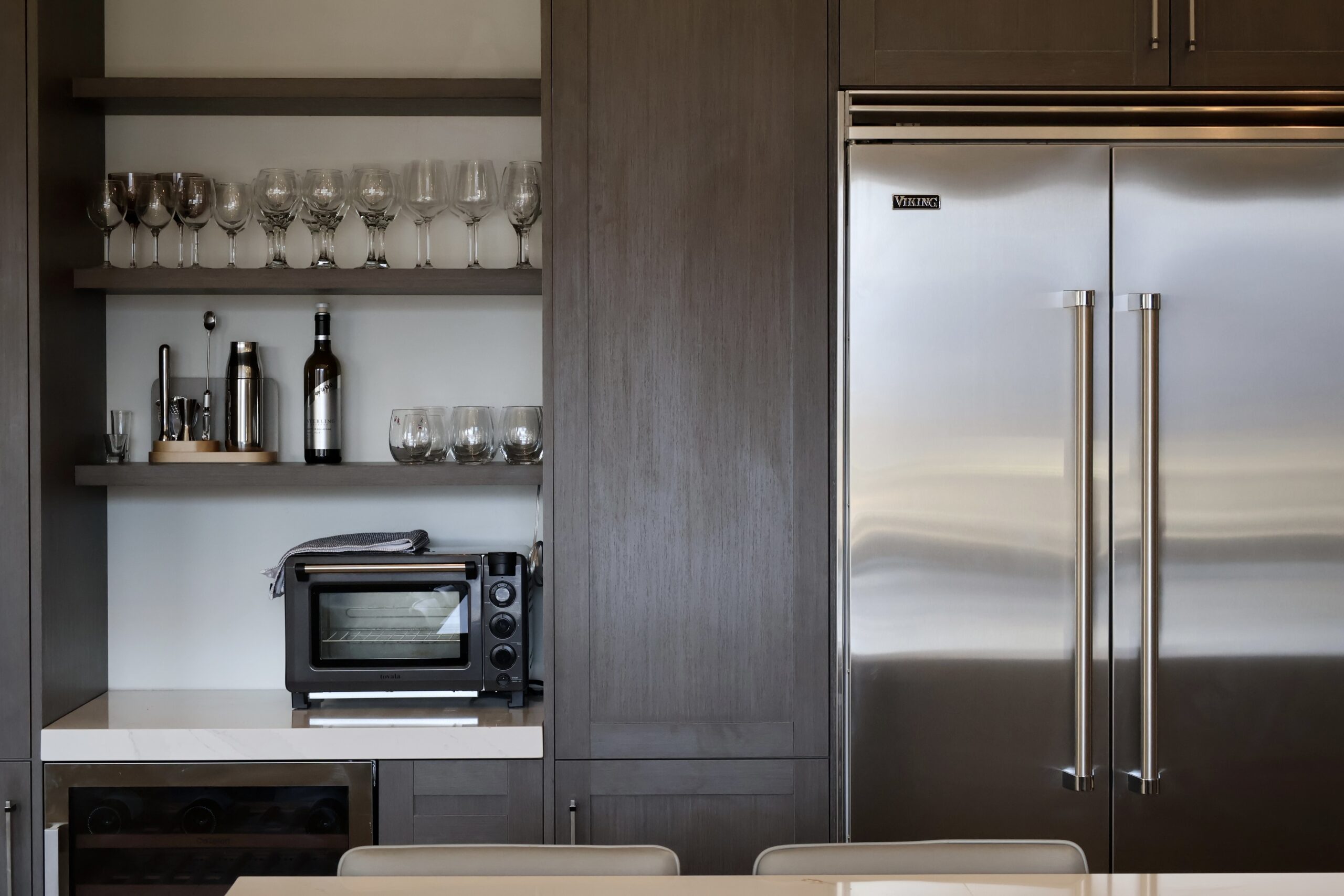
For years, homeowners felt they had to choose between traditional Shaker cabinets and modern European cabinetry. One style appeared warm and familiar. The other felt clean, minimal, and contemporary.
Today, that choice no longer exists.
Some of the most beautiful homes combine elements of both. Traditional craftsmanship now works alongside modern European design principles to create spaces that feel timeless instead of trendy.
As a result, many homeowners discover that the kitchen they truly want sits somewhere in the middle.
Why Shaker Cabinets Have Never Gone Out of Style
Few cabinet styles have remained as popular as the Shaker door.
Its simple frame, balanced proportions, and honest construction have allowed it to stay relevant for generations. Unlike decorative trends that come and go, Shaker cabinetry focuses on clean geometry rather than ornamentation.
That simplicity makes it remarkably adaptable.
While classic Shaker cabinets still suit traditional homes, they also provide an excellent foundation for more modern interiors. Consequently, many designers continue to specify Shaker doors even in luxury homes with contemporary architecture.
Timeless design rarely demands attention. Instead, it creates balance.
How European Cabinetry Changed Kitchen Design
At the same time, European cabinetry introduced a different way of thinking about cabinetry.
Rather than emphasizing decoration, European design focuses on precision, proportion, and functionality. Every line serves a purpose. Every material contributes to the overall experience of the space.
The biggest structural difference is frameless construction.
Unlike traditional face-frame cabinets, frameless cabinets maximize usable storage while creating tighter reveals and cleaner visual lines. Doors and drawer fronts align with greater precision, resulting in the refined appearance that has become closely associated with European kitchens.
However, European cabinetry is about much more than appearance.
It also embraces durable materials, premium hardware, thoughtful organization, and efficient use of space. These principles have influenced residential design around the world, even in homes that don’t immediately look “European.”
The Evolution of Shaker Design
Interestingly, Shaker design has evolved alongside these European principles.
Instead of disappearing, it became more refined.
Today’s luxury homes often feature:
- Slim Shaker cabinet doors
- Phantom (Ghost) Shaker profiles
- Narrow rail designs
- Minimal inside edge details
These updated versions preserve the familiar character of Shaker cabinetry while reducing visual weight.
As a result, they complement modern architecture without losing the warmth that homeowners appreciate.
The goal isn’t to make Shaker cabinets look contemporary for the sake of following trends. Instead, the objective is to create cabinetry that feels balanced, quiet, and appropriate for the home itself.
Frameless Construction Makes the Difference
Many people assume cabinet style determines whether a kitchen feels traditional or modern.
In reality, construction plays an equally important role.
A slim Shaker door built on a frameless cabinet often feels dramatically different from the same door mounted on a traditional face-frame cabinet.
Because frameless construction creates consistent spacing, better alignment, and more usable interior storage, even classic door styles appear cleaner and more refined.
This is one reason European cabinetry continues to influence luxury residential design throughout North America.
The structure changes the experience just as much as the door style.
Materials Complete the Design
Door profiles tell only part of the story.
Material selection often has an even greater impact on the final result.
Natural wood veneers, premium painted finishes, engineered surfaces such as FENIX®, textured laminates, and specialty panels each create a different atmosphere within the same cabinet style.
For example, a slim Shaker door in natural white oak communicates something very different from the same profile finished in matte black or a soft painted color.
Likewise, grain matching, finish selection, and hardware choices all contribute to the overall character of the room.
This is why experienced interior designers begin with the feeling they want to create before selecting individual materials.
Why Interior Designers Often Blend Both Styles
Many of today’s most successful projects don’t belong to a single design category.
Instead, they combine influences.
An interior designer may specify slim Shaker doors alongside frameless European construction. Another project may pair traditional wood textures with integrated lighting, concealed storage, and modern organization systems.
These combinations create homes that feel sophisticated without becoming overly minimal.
Rather than chasing trends, designers focus on creating spaces that will still feel appropriate ten or twenty years from now.
That balance between familiarity and innovation is one reason hybrid kitchens continue to grow in popularity.
Fully Custom Cabinetry Gives You More Freedom
At Euromax, we don’t begin with a catalog.
We begin with the project.
Because every cabinet is designed, manufactured, and installed by our own team, we can adapt every detail to the architecture, the homeowner’s lifestyle, and the overall design vision.
Some clients prefer a refined slab door inspired by modern European kitchens.
Others choose a slim Shaker profile that introduces subtle texture while maintaining clean lines.
Many combine several ideas into something unique.
Working with homeowners, builders, and interior designers allows us to develop cabinetry that reflects the project instead of forcing the project to fit predetermined cabinet sizes or limited product lines.
That flexibility defines fully custom cabinetry.
You Don’t Have to Choose Between Traditional and Modern
The conversation isn’t really about Shaker versus European.
It’s about finding the right balance.
European cabinetry introduced new construction methods, cleaner proportions, and smarter functionality. Traditional Shaker design contributed warmth, familiarity, and lasting appeal.
Together, they create interiors that feel both current and timeless.
When every cabinet is built specifically for the home, there is no reason to choose one philosophy over the other.
The best projects rarely do.
Instead, they borrow the strongest ideas from each approach and bring them together through thoughtful design, premium materials, and careful craftsmanship.
That is the advantage of fully custom cabinetry—and why some of today’s most memorable homes feel both modern and timeless at the same time.
 >
> >
> >
>