
Semi-Custom vs Fully Custom Cabinetry: What Actually Matters
Learn the real differences between semi-custom and fully custom cabinetry — from design flexibility and materials to performance and long-term value.
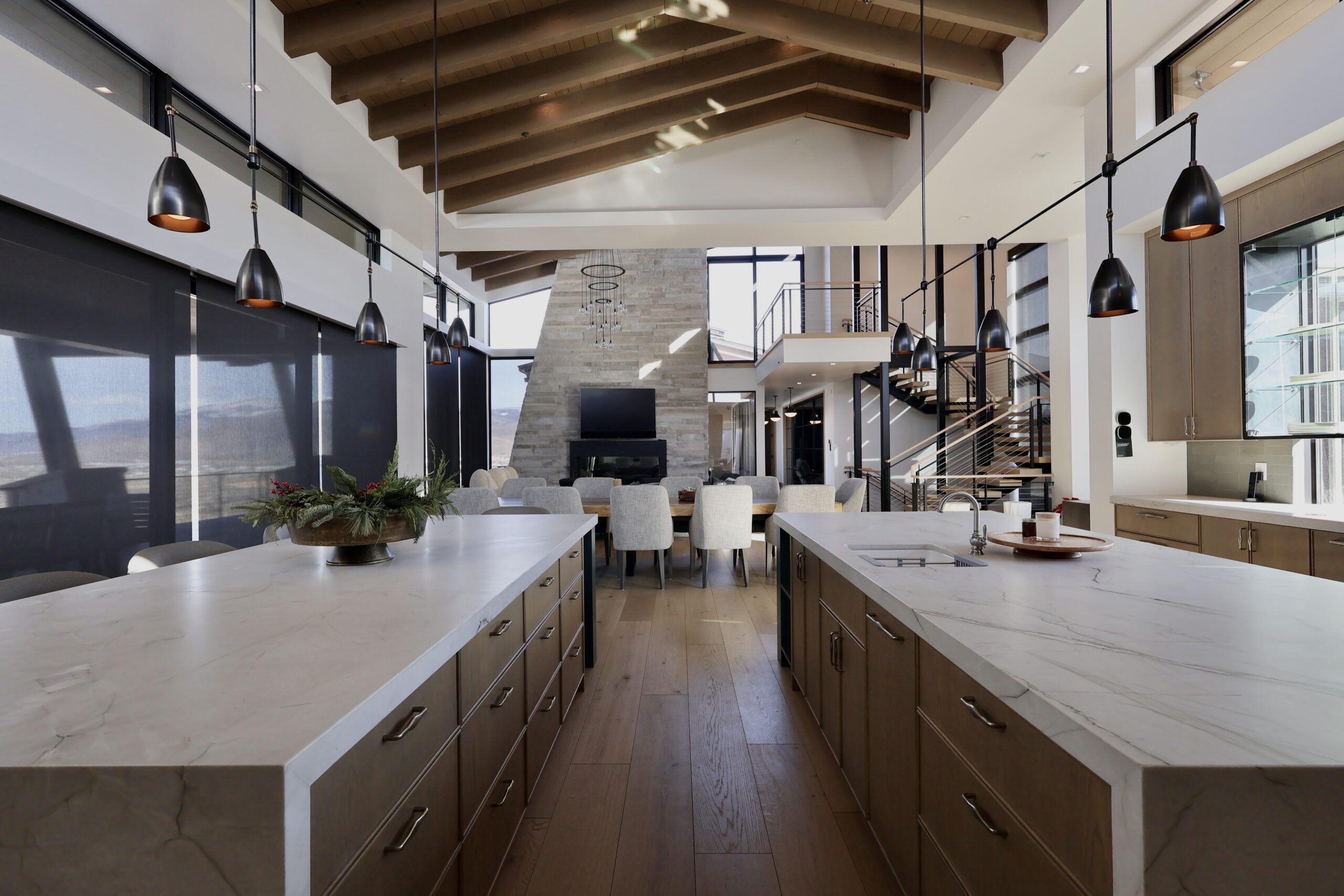
Choosing cabinetry involves more than selecting a style or finish. Cabinets define how a space functions, how it feels, and how long it performs well. Therefore, understanding semi-custom vs fully custom cabinetry helps homeowners, designers, and builders make smarter long-term decisions.
Although both options can look similar at first glance, they differ significantly in flexibility, construction, and overall value. Moreover, the right choice often depends on project goals, lifestyle needs, and architectural complexity rather than budget alone.
Design Flexibility and Architectural Integration
The biggest difference between semi-custom and fully custom cabinetry lies in design freedom.
Semi-custom cabinetry typically relies on predefined cabinet sizes and modular configurations. While manufacturers offer various finishes and accessories, the structure remains limited to set dimensions. As a result, designers must adapt the layout to fit the system rather than the space itself.
Fully custom cabinetry works differently. Instead of forcing design compromises, every element adjusts to the architecture. Cabinet widths, heights, depths, and internal organization can match exact measurements. Consequently, spaces feel more integrated and intentional.
This flexibility becomes especially valuable in luxury homes, remodels with unusual layouts, or projects where clean lines and symmetry matter.
Materials, Finishes, and Construction Quality
Material selection also plays a major role when comparing semi-custom vs fully custom cabinetry.
Semi-custom manufacturers often limit material options to streamline production. While many offer durable solutions, customization typically stops at surface-level choices such as colors or door styles.
In contrast, fully custom cabinetry allows access to advanced materials and specialized finishes. For example:
- natural wood veneers with custom staining
- soft-touch matte surfaces
- engineered panels
- decorative plaster coatings
- integrated wood handles or custom millwork details
Because custom fabrication happens in smaller production environments, designers can also experiment with texture, proportion, and innovative material combinations. Therefore, the final result reflects both design intent and craftsmanship rather than factory constraints.
Precision Engineering and Long-Term Performance
Construction methods directly influence how cabinetry performs over time.
Semi-custom systems focus on efficiency and repeatability. While many are well-built, standardized sizing can create fillers, gaps, or adjustments during installation. Over time, these compromises may affect visual continuity.
Fully custom cabinetry prioritizes precision. Each component aligns with the architectural structure and surrounding finishes. As a result:
- panels align cleanly
- hardware integrates seamlessly
- storage functions more efficiently
Furthermore, precision manufacturing supports durability. When tolerances remain tight and materials suit the environment, cabinetry tends to age more gracefully.
When Semi-Custom Cabinetry Makes Sense
Despite limitations, semi-custom cabinetry works well in certain situations. For example:
- straightforward layouts with standard dimensions
- projects with strict budget constraints
- faster timelines requiring quick production
- rental properties or secondary spaces
In these cases, semi-custom options provide a practical balance between customization and cost.
When Fully Custom Cabinetry Is Worth the Investment
Fully custom cabinetry becomes valuable when design goals extend beyond basic functionality.
Consider fully custom solutions when:
- architecture requires precise integration
- homeowners want a cohesive European-style aesthetic
- materials or finishes need customization
- storage must adapt to specific lifestyle needs
- projects include integrated millwork across multiple rooms
Additionally, fully custom cabinetry often supports long-term value. Instead of following short-lived trends, it focuses on proportion, quality materials, and thoughtful detailing.
The European Approach to Custom Cabinetry
European cabinetry principles emphasize minimal structure, efficient storage, and refined material choices. Instead of decorative excess, the focus remains on craftsmanship and precision.
At Euromax, this philosophy guides every project. Design begins with understanding how a space will function daily. Then, materials and construction methods support both durability and aesthetic balance. Because design, manufacturing, and installation stay connected, the final result feels cohesive and intentional.
Final Thoughts
Choosing between semi-custom and fully custom cabinetry depends on priorities rather than simple categories. Semi-custom solutions offer efficiency and convenience. However, fully custom cabinetry provides unmatched flexibility, precision, and design integration.
Ultimately, the best choice comes from aligning project goals with the right level of craftsmanship.
 >
> >
> >
>