
Why Most Luxury Kitchens Fail Before Construction Begins
Many kitchen problems start long before installation. Learn how planning, storage, and design decisions shape successful Utah custom cabinets.
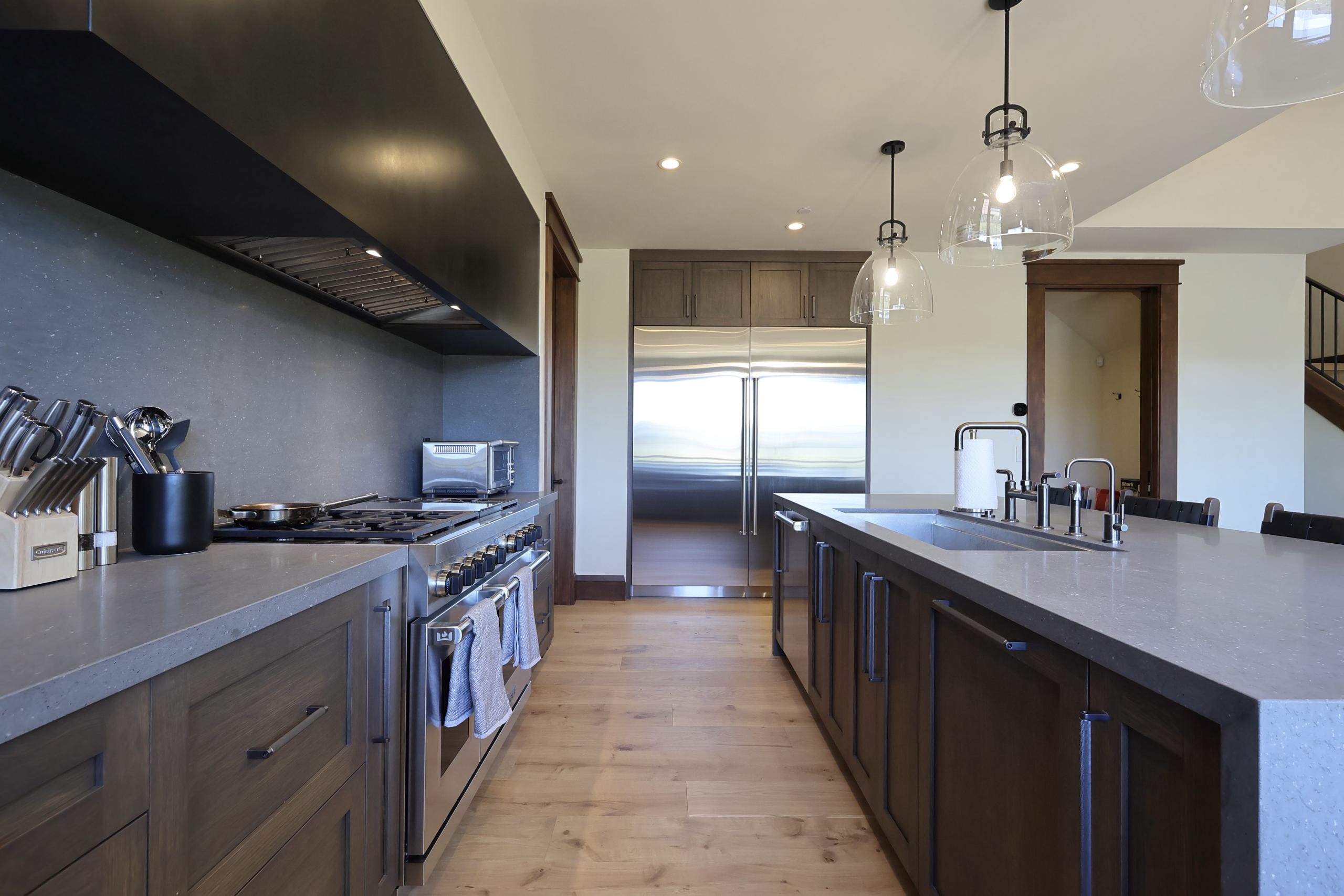
Many homeowners assume kitchen projects succeed or fail during manufacturing or installation.
In reality, the most important decisions happen much earlier.
In fact, many of the problems people experience with cabinetry can be traced back to planning mistakes made before a single panel is cut. Poor appliance placement, inefficient storage, awkward workflow, and overlooked details often create frustrations that remain long after construction is complete.
This is especially true when designing Utah custom cabinets, where every element should be tailored to the home, the architecture, and the people who use the space every day.
Fortunately, most of these issues can be avoided with proper planning.
Why Planning Matters More Than Most People Realize
Cabinetry is not simply a collection of boxes attached to a wall.
Instead, it serves as the foundation of how a kitchen functions.
Every drawer, appliance, shelf, and storage zone influences the daily experience of the homeowner. Therefore, decisions made during the design phase often have a greater impact than the materials selected later.
A kitchen may feature premium hardware, beautiful finishes, and high-end appliances. However, if the layout does not support the way the homeowner actually lives, the space will never perform at its full potential.
For this reason, experienced designers spend significant time understanding how clients cook, entertain, store items, and move throughout the room before finalizing a design.
Storage Problems Usually Start on Paper
One of the most common mistakes occurs when storage planning happens too late.
Many homeowners focus first on colors, finishes, and appliance selections. While those decisions certainly matter, storage often determines whether a kitchen remains functional for years to come.
For example, questions such as these should be answered early:
- Where will small appliances be stored?
- How often are large serving pieces used?
- Does the homeowner buy groceries in bulk?
- Are recycling and waste stations located conveniently?
- Which items need immediate access every day?
As a result, thoughtful storage planning creates kitchens that feel effortless rather than crowded.
Well-designed Utah custom cabinets often look simple because the organization behind them has already solved problems before they appear.
Appliance Placement Affects Everything
Many kitchen layouts look attractive in renderings but become difficult to use once construction is complete.
Appliance placement often plays a major role.
For instance, a refrigerator positioned too far from the preparation area can disrupt workflow. Similarly, dishwashers, ovens, and sinks must work together rather than compete for space.
Furthermore, integrated appliances require additional planning because cabinet dimensions, ventilation requirements, and service access all need consideration from the beginning.
This is one reason European cabinetry places such strong emphasis on planning before production starts.
When appliances and cabinetry work together as a complete system, the entire kitchen feels more intuitive.
The Best Layouts Feel Invisible
Great kitchen design rarely draws attention to itself.
Instead, it simply works.
Homeowners should move naturally through the space without thinking about where items belong or how tasks should be completed.
Achieving this level of functionality requires careful consideration of:
- traffic flow
- preparation zones
- cooking zones
- cleanup areas
- storage access
Consequently, successful layouts often feel effortless because countless decisions were made behind the scenes.
The goal is not to create a kitchen that looks impressive for photographs. Rather, the goal is to create a kitchen that performs beautifully every day.
Material Selection Should Support the Design
Material choices certainly influence the final appearance of a kitchen. However, materials should support the design rather than compensate for weak planning.
For example, premium wood veneers, engineered surfaces, and painted finishes all perform differently. Each option offers advantages depending on the project goals.
Likewise, interior cabinet construction deserves careful consideration.
Many high-end projects utilize furniture-grade plywood interiors. Others benefit from premium four-edge-banded TFL systems that provide excellent durability, easy maintenance, and a clean appearance.
The best choice depends on the needs of the homeowner rather than trends or assumptions.
Why Designers and Builders Value Early Collaboration
The strongest projects often involve collaboration from the beginning.
When homeowners, designers, builders, and cabinet professionals work together early in the process, potential issues become easier to identify and solve.
For example, electrical requirements, appliance specifications, lighting placement, and storage solutions can all be coordinated before construction begins.
As a result, the project moves more efficiently and produces a more cohesive final outcome.
This collaborative approach has become increasingly important in luxury homes, where cabinetry frequently interacts with architecture, lighting, technology, and interior design.
What Successful Kitchen Projects Have in Common
Although every home is different, successful projects typically share several characteristics. They:
prioritize planning.
address storage needs early.
consider workflow before aesthetics.
coordinate appliances and cabinetry as a complete system.
Most importantly, they focus on how the space will function years after installation.
These principles help transform cabinetry from a collection of products into a carefully engineered part of the home.
The Real Secret Behind Great Kitchens
Many people believe luxury kitchens succeed because of expensive materials or impressive appliances.
Those elements certainly contribute to the final result.
However, great kitchens usually succeed because someone took the time to solve problems before construction began.
That planning may never be visible once the project is complete. Yet it influences every drawer, every cabinet, and every daily interaction with the space.
The most successful Utah custom cabinets are not simply built well.
They are planned well.
 >
> >
> >
>