
Are European Cabinets More Expensive? Full Cost Breakdown & Value Guide
European cabinets are often more expensive—but the reason isn’t just materials. Learn what actually drives the cost and when they’re worth it.
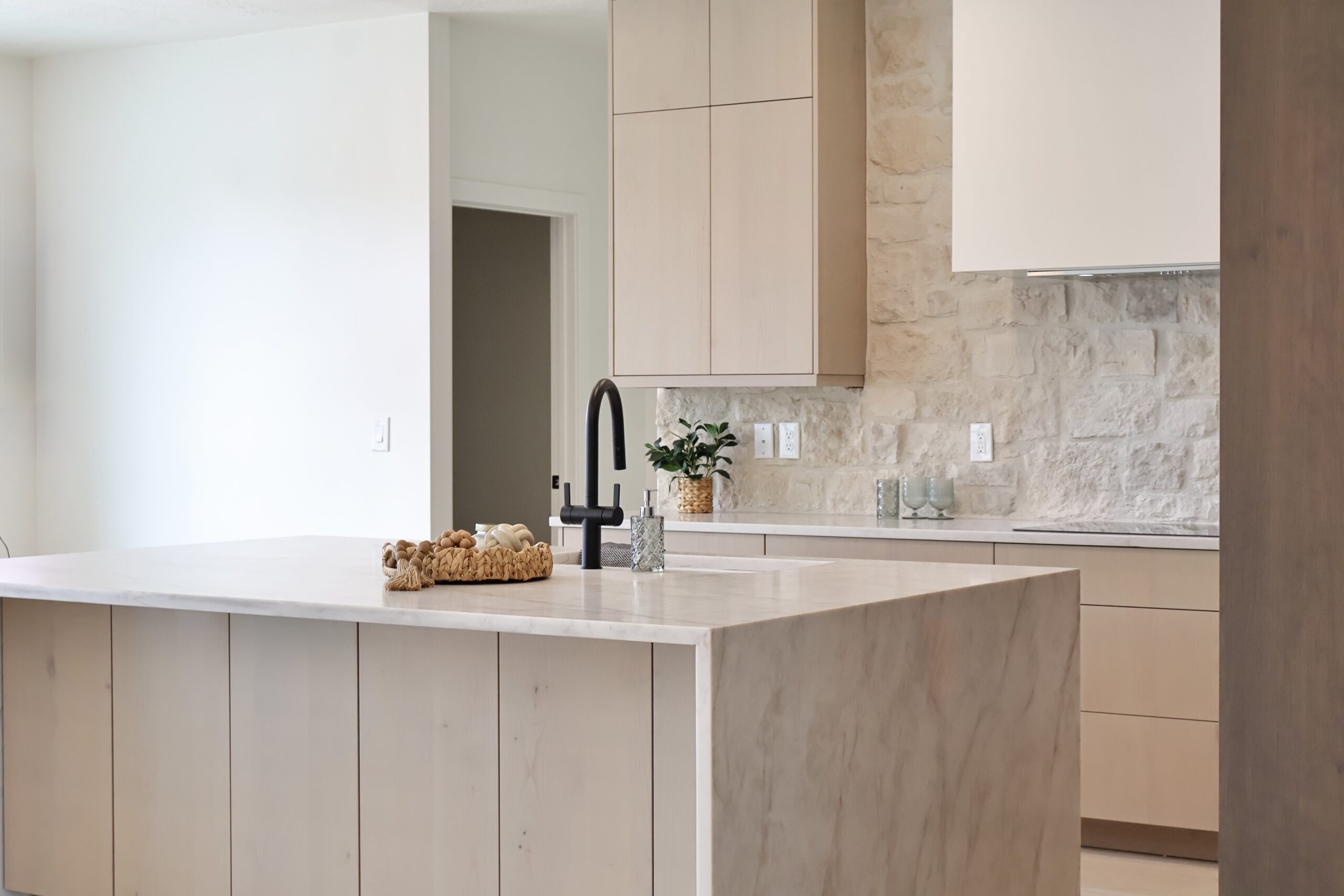
Are European Cabinets More Expensive?
Yes—in most cases, European cabinets are more expensive.
But that answer alone is misleading.
Because the real question isn’t just about price—it’s about what you’re actually paying for, and what you’re comparing them to.
A budget frameless cabinet line can cost less than a high-end framed system. Meanwhile, premium European cabinetry can exceed almost anything on the market.
So instead of searching “european kitchen cabinets price”
You should be asking:
“Why do they cost what they cost—and what do I get in return?”
What “European Cabinets” Actually Means (And Why It Matters)
European cabinets aren’t just a style—they’re a construction system.
They’re typically:
- Frameless (full-access) — no face frame blocking the opening
- Built with precision-cut panels
- Designed around modular consistency
- Engineered for tight tolerances
This changes everything—from how they’re manufactured to how they’re installed.
The 5 Real Reasons European Cabinets Cost More
1. Precision Manufacturing (Tighter Tolerances = Higher Cost)
European cabinetry is far less forgiving than traditional framed cabinets.
With framed cabinets, slight inconsistencies can be hidden behind the face frame.
With frameless construction, everything must align perfectly.
That means:
- CNC manufacturing
- Consistent panel thickness
- Exact hardware placement
Result: Higher production cost—but dramatically cleaner results.
2. Hardware Is a Major Cost Driver (And It’s Not Optional)
In European cabinetry, hardware isn’t an upgrade—it’s the system.
You’re not just buying hinges. You’re buying:
- Soft-close systems that are integrated, not added
- Full-extension drawer mechanisms
- Lift systems for upper cabinets
- Load-rated, precision-engineered components
This hardware is:
- More expensive upfront
- Longer-lasting
- Noticeably smoother in daily use
And it adds up quickly.
3. Materials Are Engineered for Stability, Not Just Price
A common misconception is that European cabinets are “just particle board.”
That’s oversimplified—and often wrong.
High-end European systems use:
- Engineered panels for dimensional stability
- Laminates and finishes that resist warping
- Materials designed to perform consistently across environments
Compared to solid wood:
- Less seasonal movement
- More predictable performance
- Better long-term alignment
You’re paying for control, not just material type.
4. Design Integration Happens Upfront (Not After the Fact)
European cabinetry is designed as part of a complete system, not just a set of boxes.
That includes:
- Appliance integration (flush, panel-ready)
- Lighting coordination
- Alignment across entire elevations
- Consistent reveals and spacing
This requires:
- More planning
- More precise measurements
- More experienced design work
Which increases cost—but eliminates compromises later.
5. Installation Requires More Skill (And Less Margin for Error)
This is one of the most overlooked factors.
Frameless cabinets:
- Have tighter reveal lines
- Require perfect leveling
- Expose alignment issues immediately
Installation is:
- Slower
- More detail-oriented
- Less forgiving
That labor cost is part of the equation.
Are European Cabinets Always More Expensive?
Not always—and this is where most online content gets it wrong.
Here’s a more accurate breakdown:
| Cabinet Type | Typical Cost Range | Notes |
|---|---|---|
| Stock (framed) | $ | Lowest cost, limited flexibility |
| Semi-custom (framed) | $$ | More options, still standardized |
| Entry European (frameless) | $$–$$$ | Can compete with mid-range |
| High-end European | $$$$ | Premium systems, high precision |
| Custom cabinetry | $$$–$$$$$ | Wide range depending on execution |
Key takeaway:
European cabinets aren’t automatically more expensive—but high-end European systems usually are.
The Real Advantage: Space and Proportion
One of the biggest advantages rarely gets talked about:
Usable space.
Because there’s no face frame:
- Drawer boxes are wider
- Interior access is cleaner
- Storage is more efficient
It’s not dramatic—but across an entire kitchen, it adds up.
European vs Traditional Cabinets: What You Actually Feel Day-to-Day
This is where the difference becomes real—not theoretical.
European cabinets:
- Smoother drawer operation
- Cleaner visual lines
- Consistent spacing
- More modern feel
Traditional cabinets:
- More forgiving installation
- More familiar aesthetic
- Often lower upfront cost
The difference shows up in:
- How doors close
- How drawers feel
- How aligned everything looks
When European Cabinets Are Worth the Cost
They make the most sense when:
- The design is modern or minimal
- Clean lines and alignment matter
- Appliances are integrated
- The project is detail-driven
- Long-term performance is a priority
When They Might Not Be the Best Choice
They may not be worth the premium if:
- The budget is tight
- The design is traditional
- The space is simple
- Speed is more important than precision
Cost vs Value — The Honest Perspective
European cabinets are not just “more expensive cabinets.”
They’re:
- A different construction philosophy
- A more precise system
- A design-first approach
So the real question becomes:
Do you value precision, integration, and consistency enough to pay for it?
Conclusion
Yes—European cabinets are often more expensive.
But that cost reflects precision, engineering, and integration, not just materials.
For the right project, they don’t just look different—they perform differently.
And that’s where the value actually shows.
 >
> >
> >
>