
Why Minimalist Kitchens Are Harder to Build
The simpler a kitchen looks, the harder it often is to build. Discover why euro cabinets require precision engineering, careful planning, and expert craftsmanship.
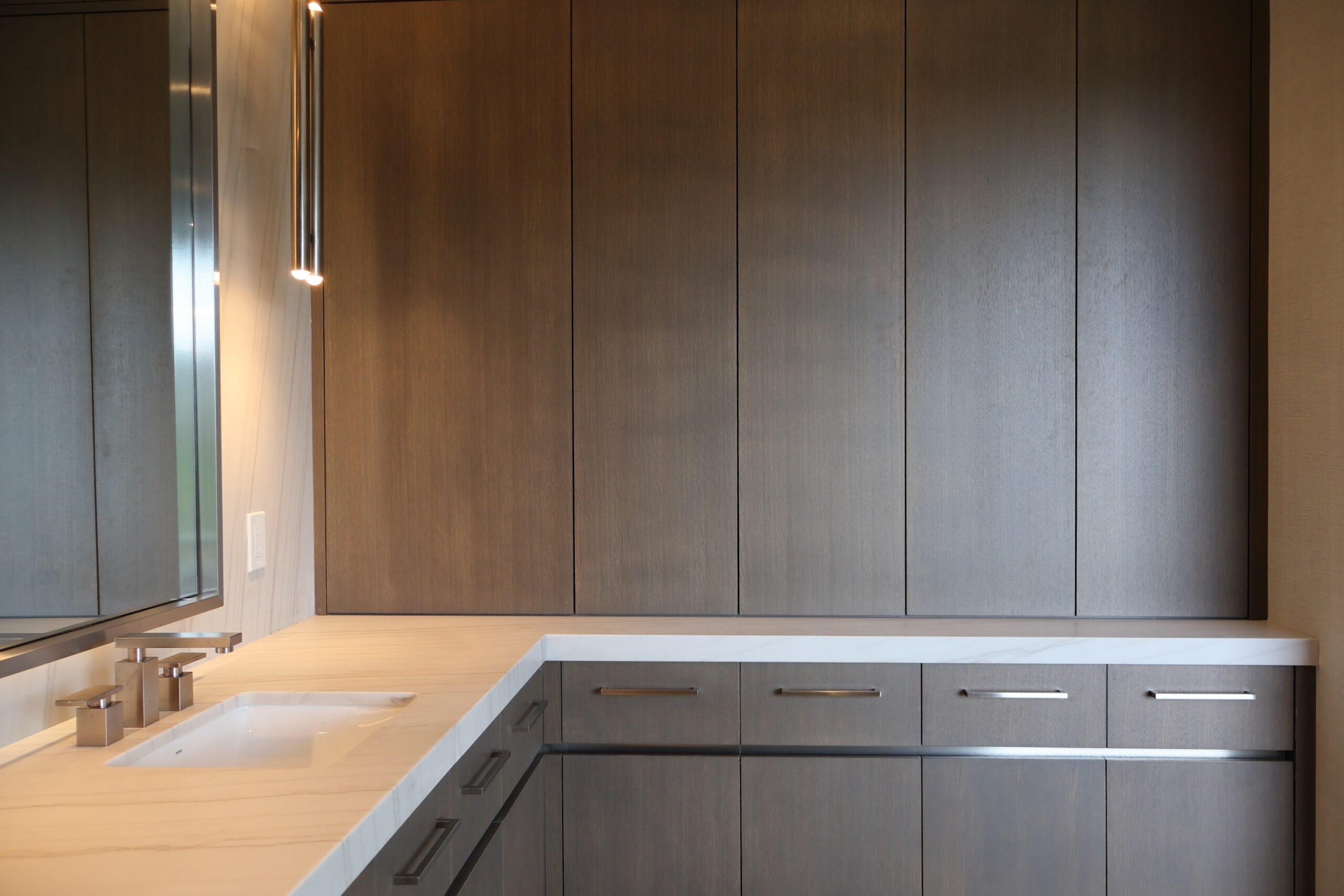
Many people assume that a minimalist kitchen with euro cabinets is easier to design and build than a traditional one.
After all, there are fewer decorative details, fewer moldings, and fewer visible design elements competing for attention.
However, the opposite is often true.
The simpler a kitchen looks, the harder it usually is to build.
This is one reason euro cabinets have become so respected among designers, architects, and builders. While the final result appears effortless, achieving that level of simplicity requires precision at every stage of the process.
Why Simplicity Is Difficult
Traditional cabinetry often relies on decorative features to create visual interest. Crown moldings, applied trim, ornate door profiles, and decorative hardware naturally draw attention.
Minimalist kitchens do not have those distractions.
Instead, every line becomes visible.
Every reveal matters.
Every alignment becomes part of the design.
As a result, even small imperfections stand out immediately.
A gap that varies by a fraction of an inch may go unnoticed in a highly decorative kitchen. In a minimalist design, that same inconsistency becomes obvious.
Therefore, precision becomes the foundation of the entire project.
Euro Cabinets Depend on Precision
Most euro cabinets use frameless construction, a system that originated in Europe and remains the standard throughout much of the continent today.
Unlike traditional face-frame cabinetry, frameless cabinets rely on extremely accurate manufacturing and installation.
Because there is no face frame to hide inconsistencies, every panel, door, and drawer must align precisely.
This creates several advantages:
- cleaner visual lines
- increased storage space
- larger drawer capacity
- better appliance integration
- a more architectural appearance
However, these benefits also raise the level of craftsmanship required to execute the project successfully.
Material Selection Becomes More Important in Euro Cabinets
Minimalist kitchens often rely on materials rather than decoration to create character.
Instead of ornate details, designers focus on:
- wood grain
- texture
- finish quality
- proportions
- material transitions
For example, a grain-matched oak veneer installation requires careful planning long before manufacturing begins. The grain must flow naturally across multiple doors and drawer fronts.
Similarly, matte engineered surfaces such as FENIX require consistent fabrication and installation to achieve the clean appearance homeowners expect from modern European cabinetry.
Because the materials become the visual feature, quality matters even more.
Appliance Integration Adds Complexity
One of the defining characteristics of euro cabinets is appliance integration.
Many modern kitchens include:
- panel-ready refrigerators
- integrated dishwashers
- concealed storage zones
- hidden coffee stations
- appliance garages
While these features create a seamless appearance, they also introduce additional engineering challenges.
Cabinet dimensions must account for appliance specifications, ventilation requirements, service access, and door clearances.
Furthermore, every integrated element must feel intentional within the overall design.
When done correctly, the appliances appear naturally connected to the architecture rather than added later.
Storage Planning Happens Earlier with Euro Cabinets
Many homeowners focus on the appearance of a kitchen first.
However, successful minimalist kitchens often begin with storage planning.
Because euro cabinets emphasize functionality, designers must understand how the space will actually be used.
Questions often include:
- What items need daily access?
- Which appliances should remain visible?
- What belongs behind closed doors?
- Where should specialty storage be located?
As a result, thoughtful planning becomes just as important as aesthetics.
The best kitchens feel simple because countless decisions were made before construction even began.
Installation Is Just as Important as Manufacturing
Even perfectly manufactured cabinetry can fail to achieve a minimalist look if installation lacks precision.
Alignment affects everything.
Doors must remain consistent.
Drawer fronts must maintain even spacing.
Panels must meet architectural elements cleanly.
Therefore, installation becomes the final stage of the design process rather than a separate task.
This is especially true with euro cabinets, where small inconsistencies become much easier to notice.
Why Minimalist Kitchens Feel Luxurious
Luxury does not always come from adding more.
Often, it comes from removing everything unnecessary.
That philosophy sits at the heart of European cabinetry.
Instead of relying on decoration, minimalist kitchens focus on quality materials, precise engineering, thoughtful storage, and lasting functionality.
As a result, the space feels calm, intentional, and timeless.
Many homeowners initially see a simple kitchen.
Designers, builders, and cabinetmakers see hundreds of carefully executed decisions working together behind the scenes.
The Hidden Work Behind Great Design
The most successful kitchens rarely announce how difficult they were to create.
Instead, they feel natural.
Doors open effortlessly.
Storage works intuitively.
Materials feel cohesive.
Everything appears exactly where it belongs.
That is why euro cabinets continue to influence modern kitchen design around the world. Their simplicity is not the result of doing less.
It is the result of doing everything with greater precision.
Final Thoughts
Minimalist kitchens often appear simple on the surface. Yet behind that simplicity lies extensive planning, engineering, manufacturing, and craftsmanship.
From frameless construction and appliance integration to material selection and installation accuracy, every detail contributes to the final result.
The next time you see a beautifully executed minimalist kitchen, remember that its greatest achievement is often invisible.
The simpler it looks, the harder it was to build.
 >
> >
> >
>